


*E) Vintage Bronx New York Historical 8 and 35 similar items
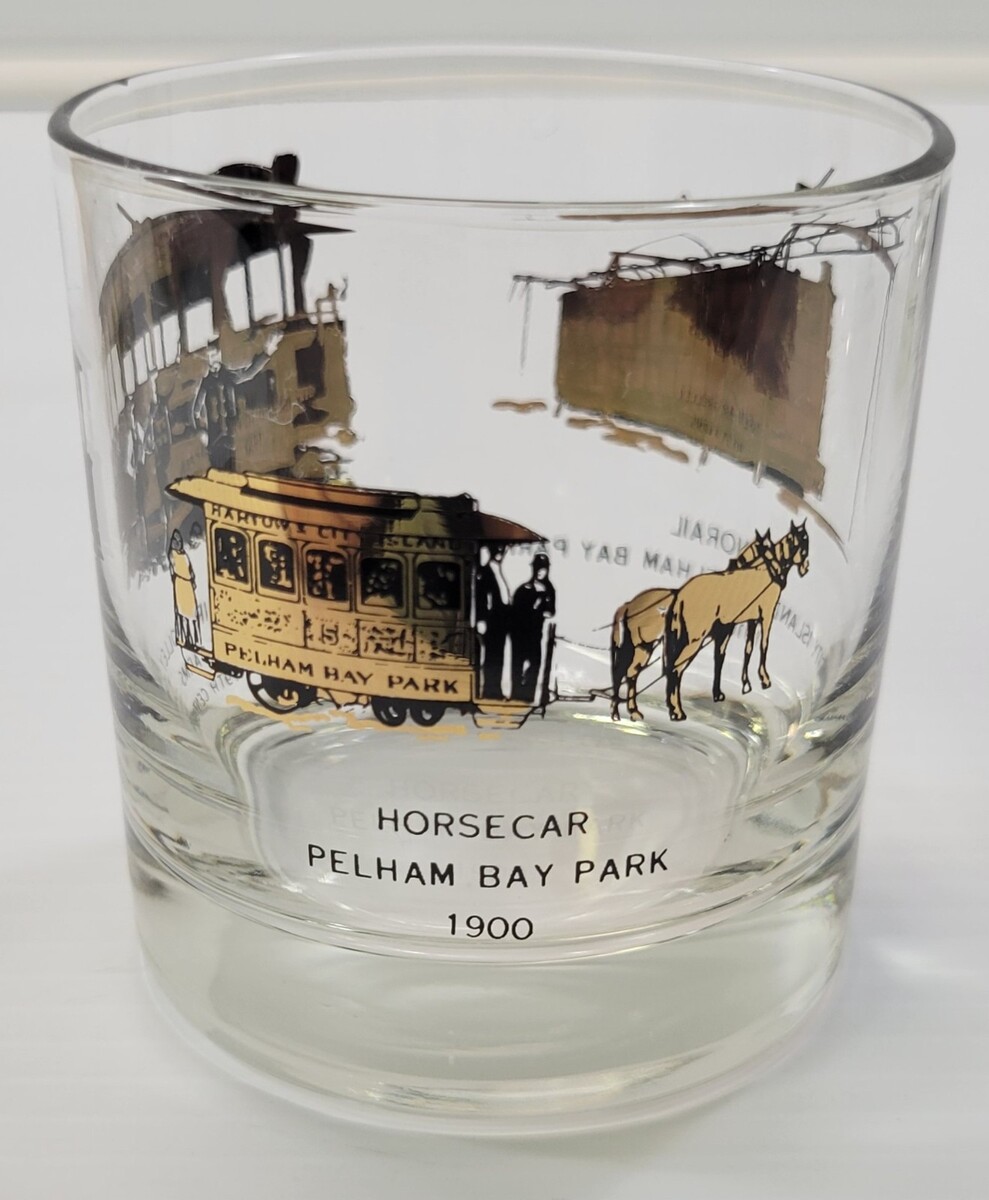
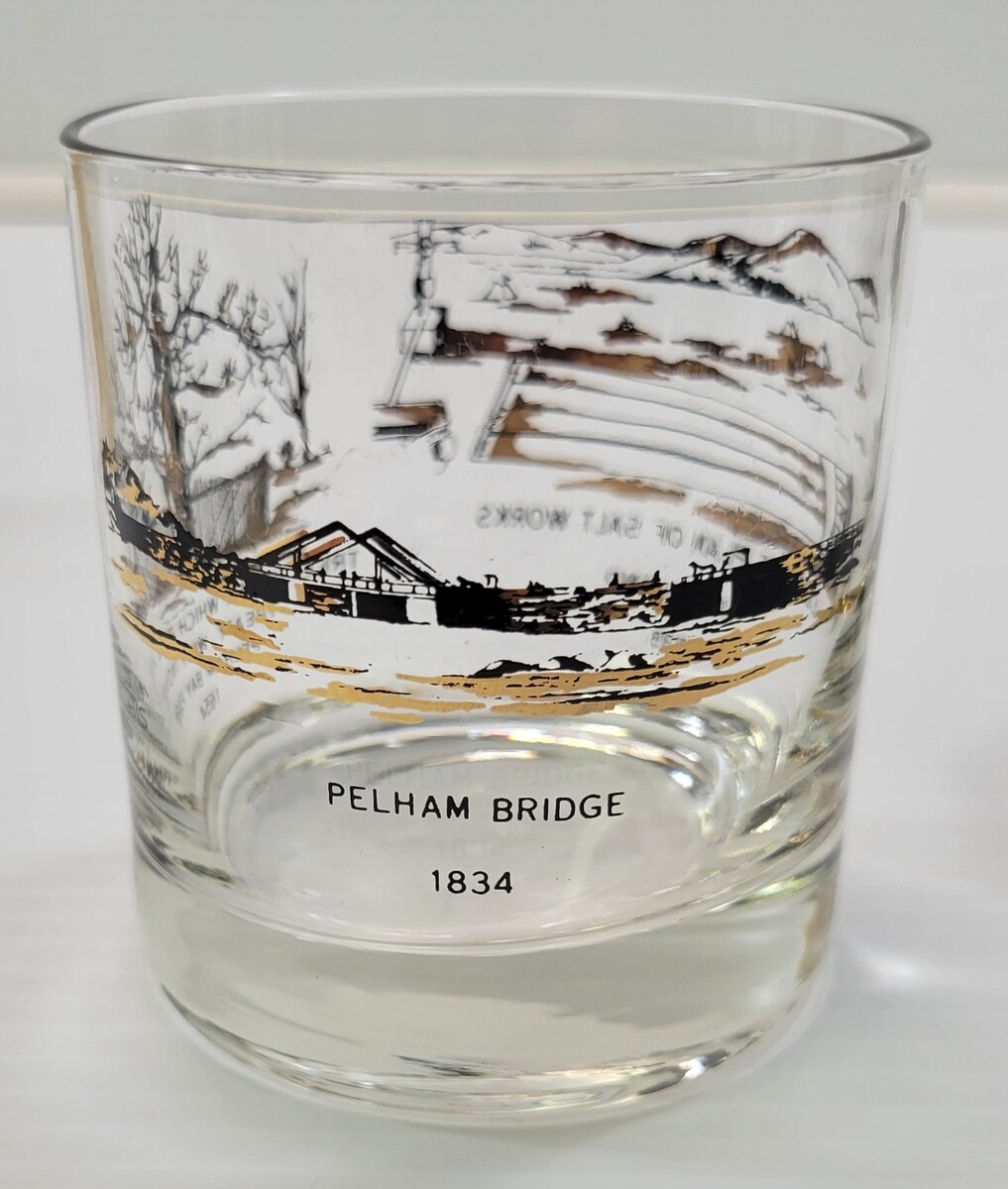
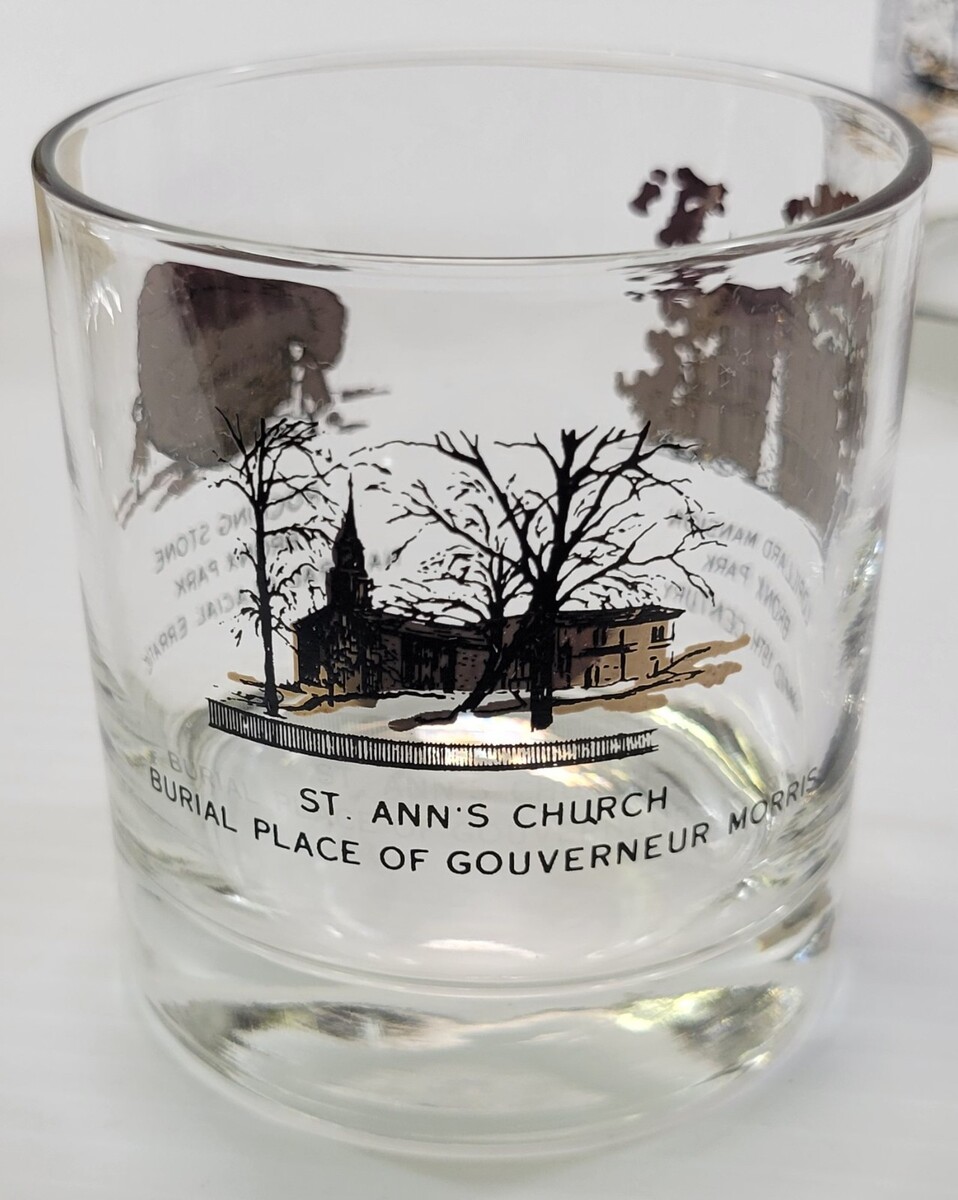
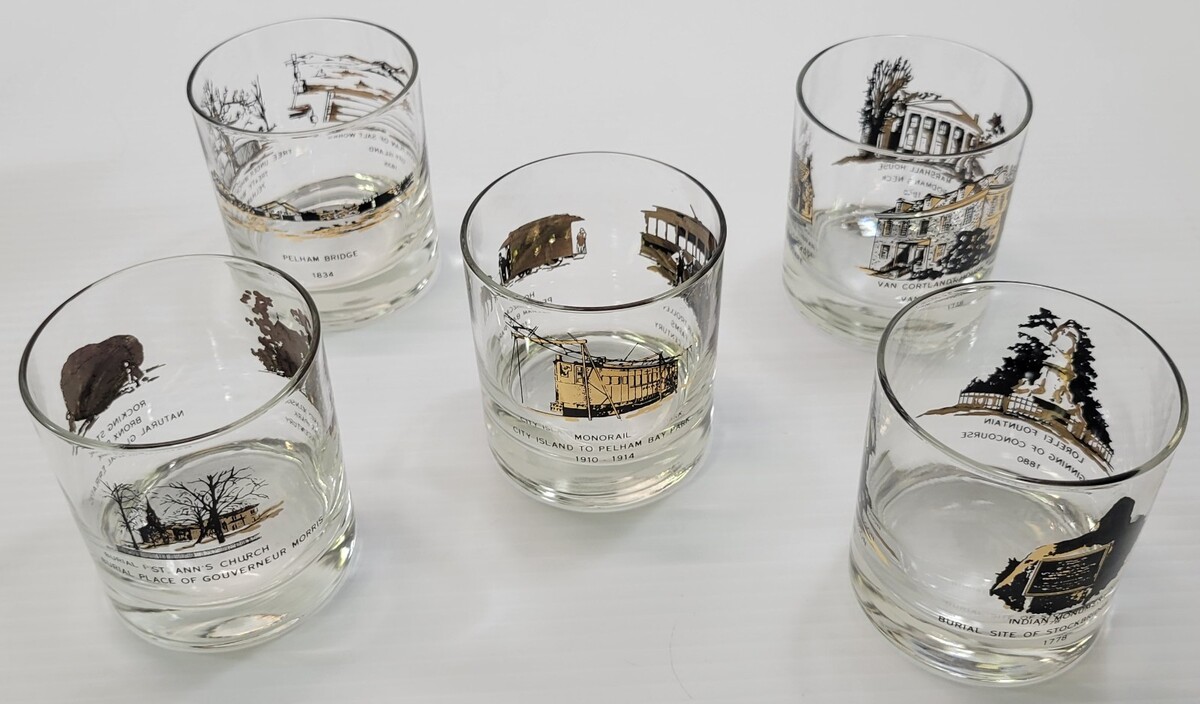
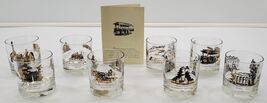
*E) Vintage Bronx New York Historical 8 Ounce Yorkville Savings Bank Glasses 24K
$98.99
(It may be possible to pay only $95.99 instead of $98.99 when you
use your bCredits at checkout)
Sign up and get $5.00 bCredits free to use at checkout and another $5.00 bCredits when you make your first purchase. More info
Share & earn! Sign in, share this or any listing, and you’ll get commission when it sells.
Learn more

View full item details »

Shipping options
Offer policy
OBO - Seller accepts offers on this item.
Details
Return policy
None: All purchases final
Purchase protection
Payment options
PayPal accepted
PayPal Credit accepted
Venmo accepted
PayPal, MasterCard, Visa, Discover, and American Express accepted
Maestro accepted
Amazon Pay accepted
Nuvei accepted
View full item details »
Shipping options
Offer policy
OBO - Seller accepts offers on this item.
Details
Return policy
None: All purchases final
Purchase protection
Payment options
PayPal accepted
PayPal Credit accepted
Venmo accepted
PayPal, MasterCard, Visa, Discover, and American Express accepted
Maestro accepted
Amazon Pay accepted
Nuvei accepted
Item traits
| Category: | |
|---|---|
| Quantity Available: |
2 in stock |
| Condition: |
New other (see details) |
| Brand: |
Unbranded |
| Color: |
Clear |
| Type: |
Savings Bank Glasses |
| Glassware Type: |
Drinking Glass |
| Material: |
Glass |
| Vintage: |
Yes |
| Original/Licensed Reproduction: |
Original |
| Country of Origin: |
United States |
Listing details
| Shipping discount: |
Shipping weights of all items added together for savings. |
|---|---|
| Posted for sale: |
May 16 |
| Item number: |
1807254628 |
Item description
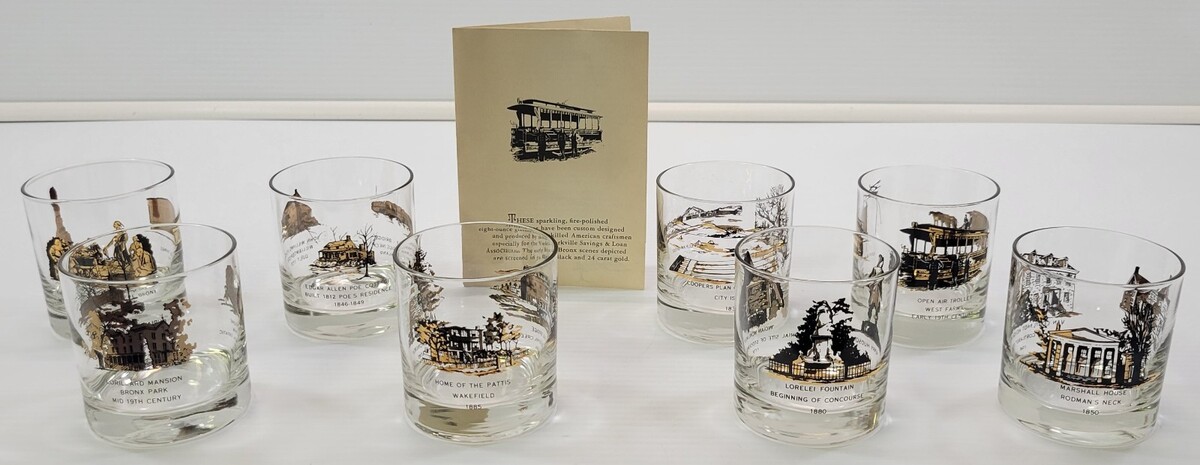
Drinking glasses are un-used old collectible items in open box that have been in storage for many years.
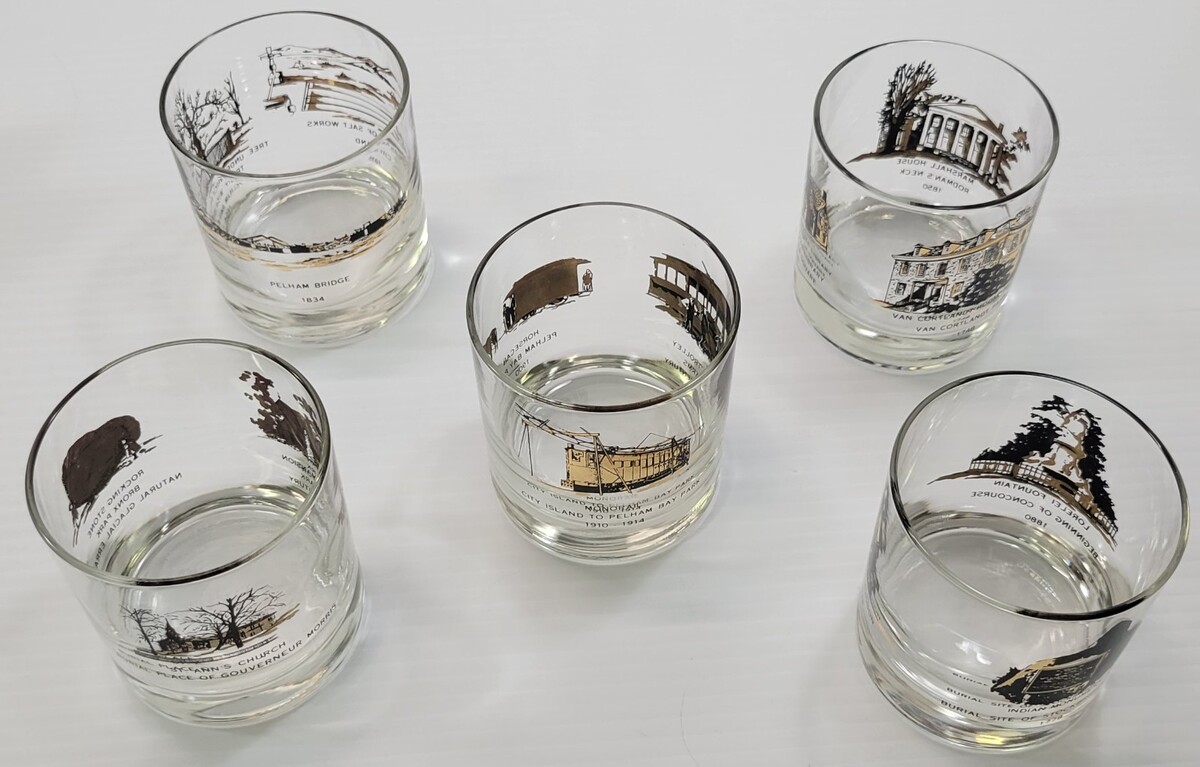
RARE Vintage Promotional Bronx New York Historical Scene Collectible Glasses
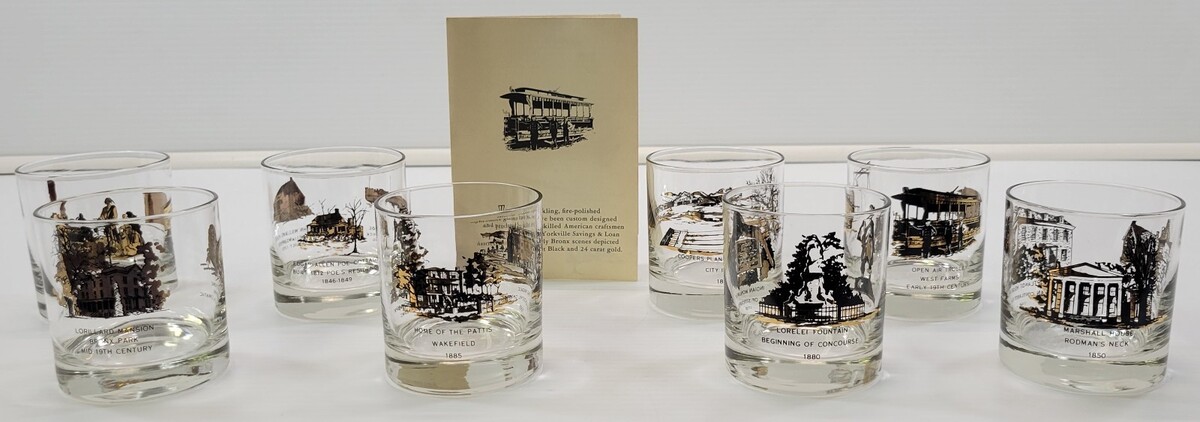
Set of 8 glasses depicting early scenes of Bronx, New York
8-once glasses
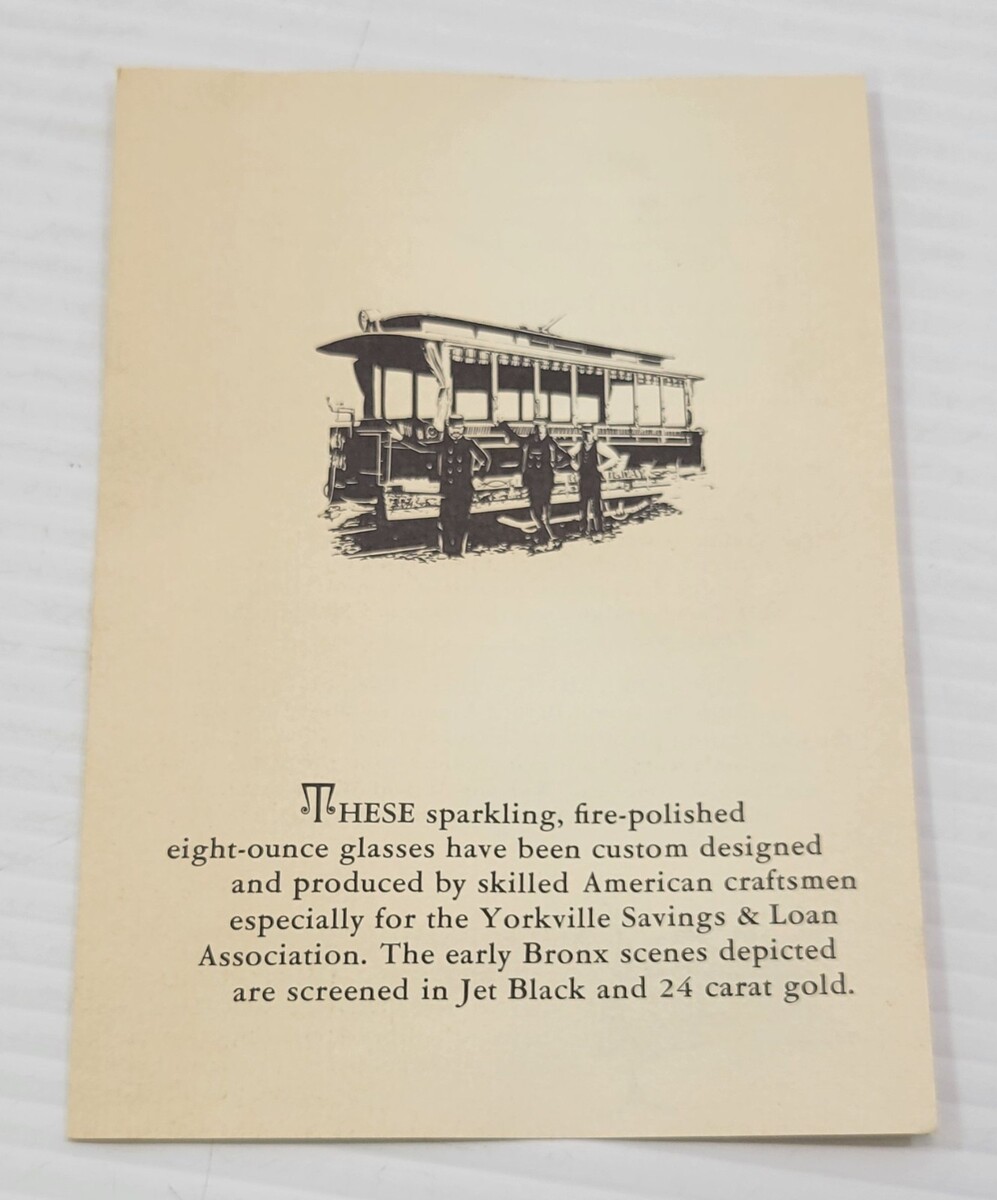
Vintage promotion item from Yorkville Savings Loan Association Bank
Clear glasses with jet black and 24 carat gold accents
Each glass measures about 3" high with an approximate 3" diameter
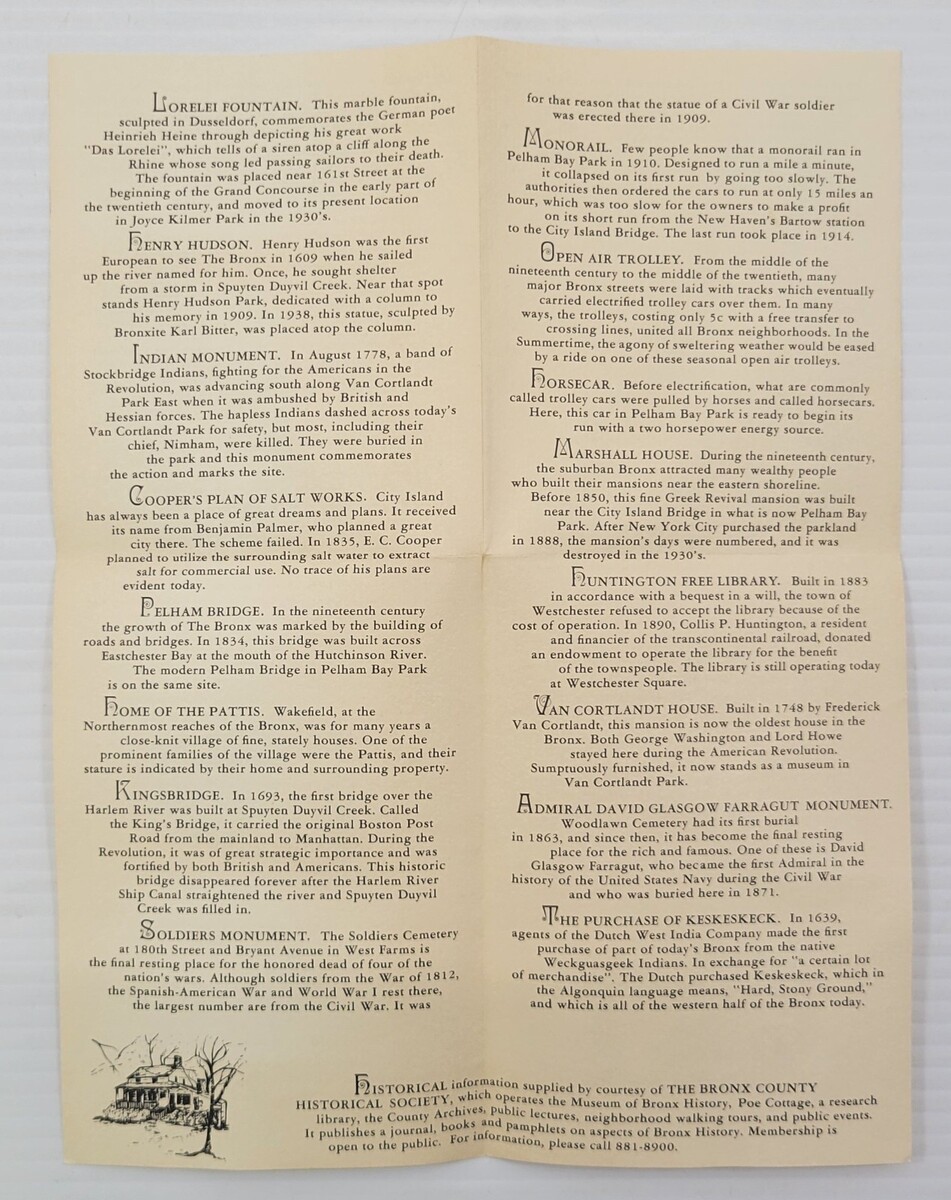
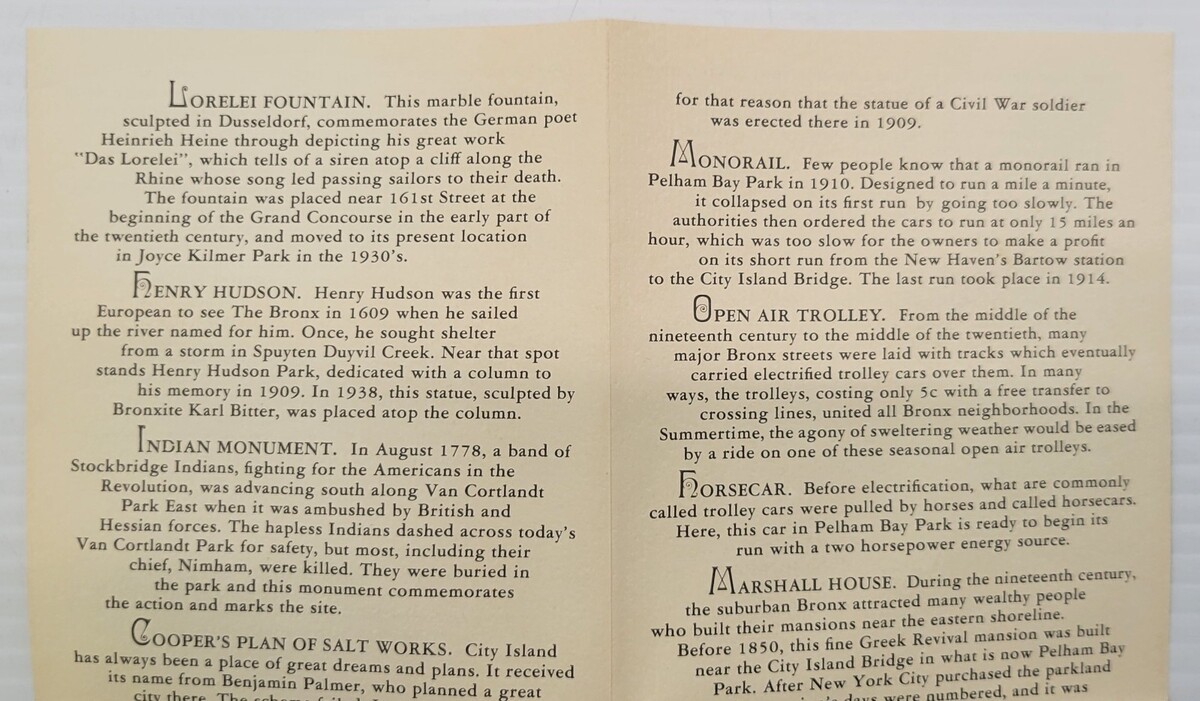
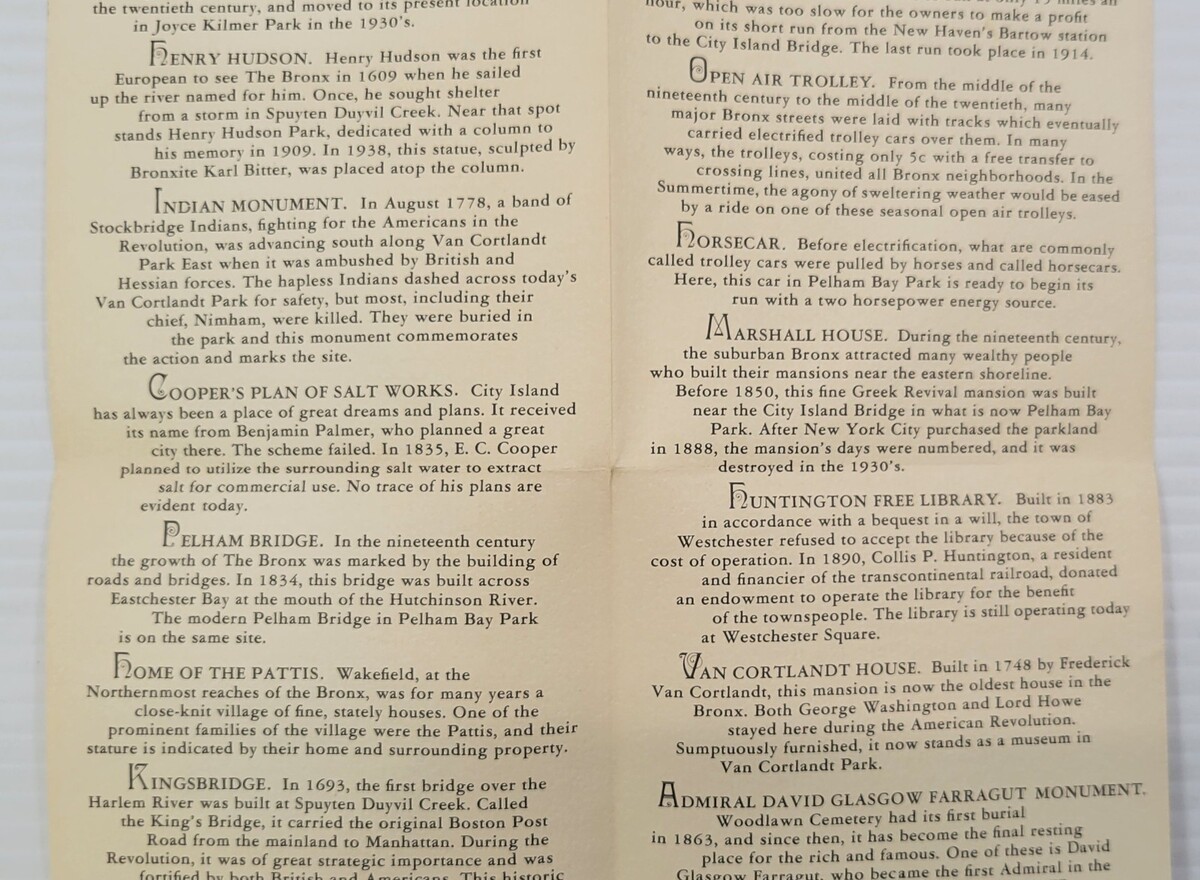
LORELEI FOUNTAIN. This marble fountain, sculpted in Dusseldorf, commemorates the German poet Heinrich Heine through depicting his great work "Das Lorelei", which tells of a siren atop a cliff along the Rhine whose song led passing sailors to their death. The fountain was placed near 161st Street at the beginning of the Grand Concourse in the early part of the twentieth century, and moved to its present location in Joyce Kilmer Park in the 1930's.
HENRY HUDSON. Henry Hudson was the first European to see The Bronx in 1609 when he sailed up the river named for him. Once, he sought shelter from a storm in Spuyten Duyvil Creek. Near that spot stands Henry Hudson Park, dedicated with a column to his memory in 1909. In 1938, this statue, sculpted by Bronxite Karl Bitter, was placed atop the column.
INDIAN MONUMENT. In August 1778, a band of Stockbridge Indians, fighting for the Americans in the Revolution, was advancing south along Van Cortlandt Park East when it was ambushed by British and Hessian forces. The hapless Indians dashed across today's Van Cortlandt Park for safety, but most, including their chief, Nimham, were killed. They were buried in the park and this monument commemorates the action and marks the site.
COOPER'S PLAN OF SALT WORKS. City Island has always been a place of great dreams and plans. It received its name from Benjamin Palmer, who planned a great city there. The scheme failed. In 1835, E. C. Cooper planned to utilize the surrounding salt water to extract salt for commercial use. No trace of his plans are evident today.
PELHAM BRIDGE. In the nineteenth century the growth of The Bronx was marked by the building of roads and bridges. In 1854, this bridge was built across Eastchester Bay at the mouth of the Hutchinson River. The modern Pelham Bridge in Pelham Bay Park is on the same site.
HOME OF THE PATTIS. Wakefield, at the Northernmost reaches of the Bronx, was for many years a close-knit village of fine, stately houses. One of the prominent families of the village were the Pattis, and their stature is indicated by their home and surrounding property.
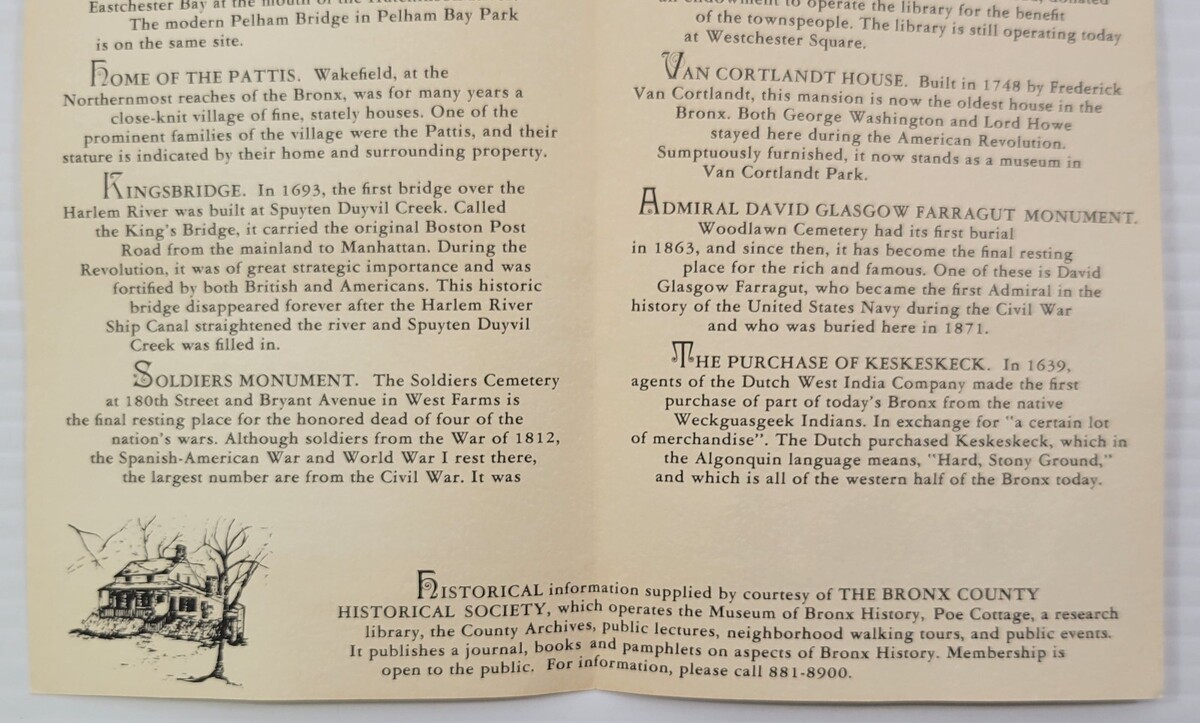
KINGSBRIDGE. In 1693, the first bridge over the Harlem River was built at Spuyten Duyvil Creek. Called the King's Bridge, it carried the original Boston Post Road from the mainland to Manhattan, During the Revolution, it was of great strategic importance and was fortified by both British and Americans. This historic bridge disappeared forever after the Harlem River Ship Canal straightened the river and Spuyten Duyvil Creek was filled in.
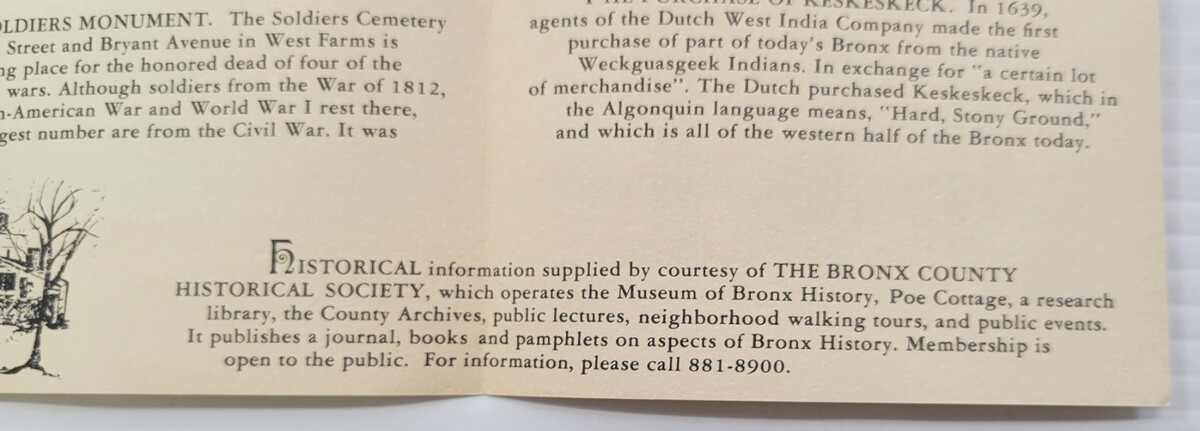
SOLDIERS MONUMENT. The Soldiers Cemetery at 180th Street and Bryant Avenue in West Farms is the final resting place for the honored dead of four of the nation's wars. Although soldiers from the War of 1812, the Spanish-American War and World War I rest there, the largest number from the Civil War. It was for that reason that the statue of a Civil War soldier was erected there in 1909.
MONORAIL Few people know that a monorail ran in Pelham Bay Park in 1910. Designed to run a mile a minute, it collapsed on its first run by going too slowly. The authorities then ordered the cars to run at only 15 miles an hour, which was too slow for the owners to make a profit on its short run from the New Haven's Bartow station to the City Island Bridge. The last run took place in 1914.
OPEN AIR TROLLEY. From the middle of the nineteenth century to the middle of the twentieth, many major Bronx streets were laid with tracks which eventually carried electrified trolley cars over them. In many ways, the trolleys, costing only 5c with a free transfer to crossing lines, united all Bronx neighborhoods. In the Summertime, the agony of sweltering weather would be eased by a ride on one of these seasonal open air trolleys.
HORSECAR. Before electrification, what are commonly called trolley cars were pulled by horses and called horsecars. Here, this car in Pelham Bay Park is ready to begin its run with a two horsepower energy source.
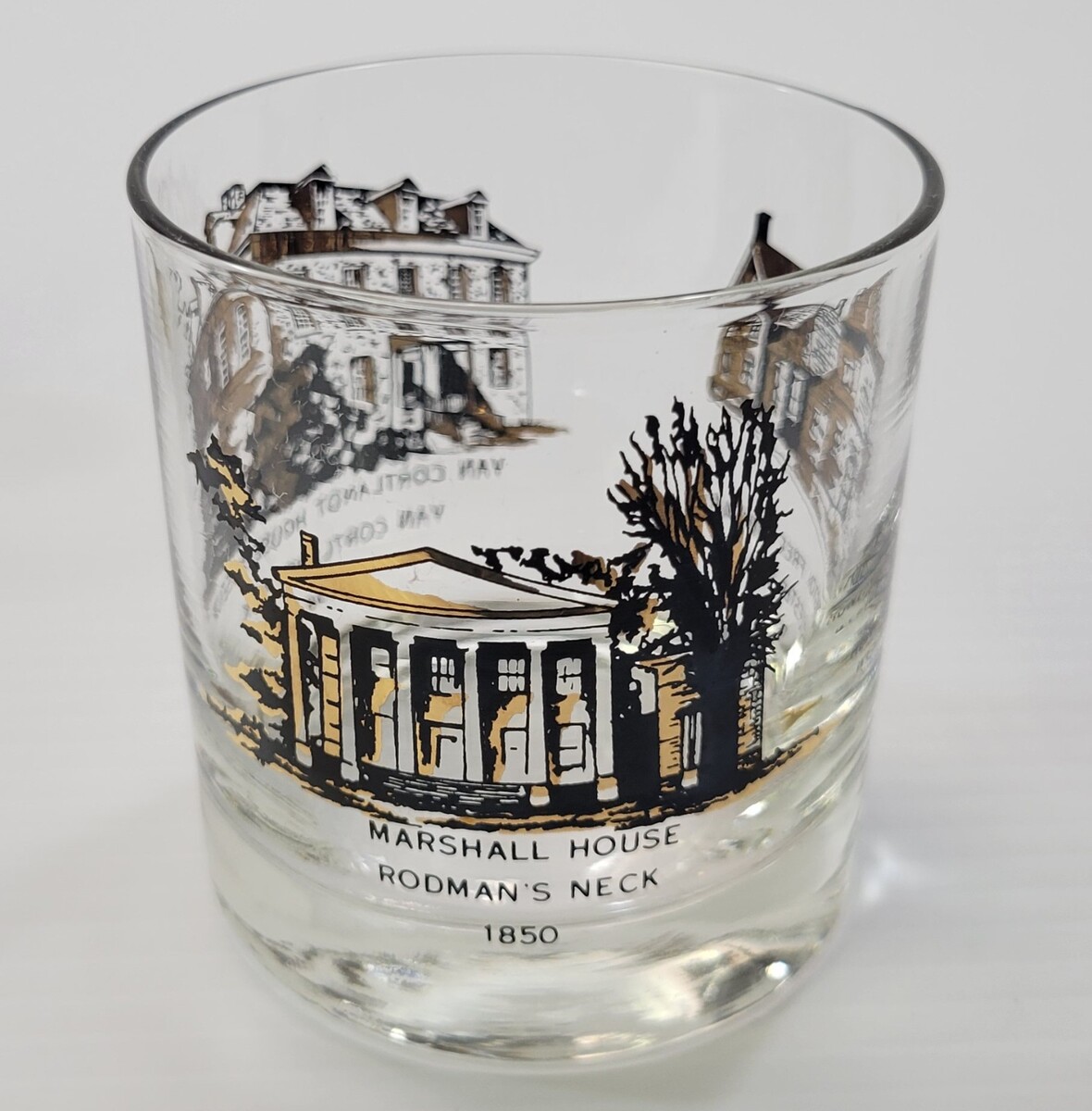
MARSHALL HOUSE. During the nineteenth century, the suburban Bronx attracted many wealthy people who built their mansions near the eastern shoreline. Before 1850, this fine Greek Revival mansion was built near the City Island Bridge in what is now Pelham Bay Park. After New York City purchased the parkland in 1888, the mansion's days were numbered, and it was destroyed in the 1930's.
HUNTINGTON FREE LIBRARY. Built in 1883 in accordance with a bequest in a will, the town of Westchester refused to accept the library because of the cost of operation. In 1890, Collis P. Huntington, a resident and financier of the transcontinental railroad, donated an endowment to operate the library for the benefit of the townspeople. The library is still operating today at Westchester Square.
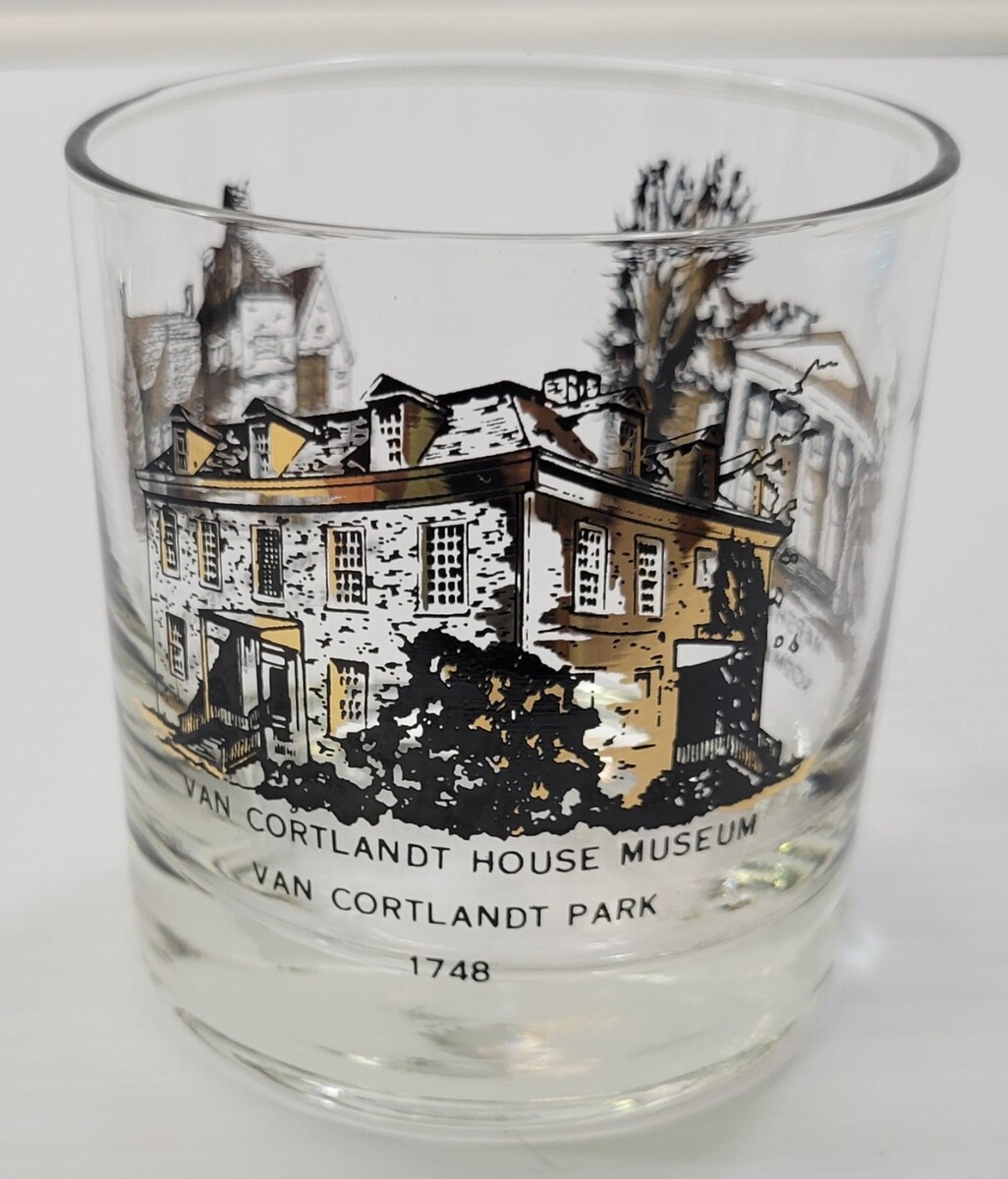
VAN CORTLANDT HOUSE. Built in 1748 by Frederick Van Cortlandt, this mansion is now the oldest house in the Bronx. Both George Washington and Lord Howe stayed here during the American Revolution. Sumptuously furnished, it now stands as a museum in Van Cortlandt Park.
ADMIRAL DAVID GLASGOW FARRAGUT MONUMENT. Woodlawn Cemetery had its first burial in 1865, and since then, it has become the final resting place for the rich and famous. One of these is David Glasgow Farragut, who became the first Admiral in the history of the United States Navy during the Civil War and who was buried here in 1871
THE PURCHASE OF KESKESKECK. In 1639, agents of the Dutch West India Company made the first purchase of part of today's Bronx from the native Weckguasgeek Indians. In exchange for "a certain lor of merchandise. The Dutch purchased Keskeskeck, which in the Algonquin language means, "Hard, Stony Ground," and which is all of the western half of the Bronx today.
ST. ANN'S CHURCH. Located at St. Ann's Avenue and 140th Street, this landmark was built in 1941 memorial to the Morris family of Morrisania, Gouverneur Morris, who is buried there with his ancestors, was delegate to the Constitutional Convention in 1787, and is called the Penman of the Constitution because he organized the document and wrote it in his own style.
LORILLARD MANSION. Pierre Lorillard owned the land that is now the eastern half of the Botanical Garden. in Bronx Park. There, his firm, P. Lorillard and Company, manufactured snuff in a mill which still stands on the banks of the Bronx River. Nearby stood his mansion. After New York City purchased his land for Bronx Park, it was used as a police station, then as a museum before it was destroyed by fire in 1923.
ROCKING STONE. Millions of years ago, when the climate was different from what it is today, the earth was gripped by chilling arctic winds. Snow piled up and was compressed into a mass of ice which crept southward toward today's Bronx. Entrapped in it and carried within it, were boulders, which were dropped by the glacier when the weather warmed. This one landed on a point and is so perfectly balanced that it can be rocked with a gentle movement.
EDGAR ALLEN POE COTTAGE. Built about 1815, this cottage was the final home of Edgar Allen Poe from 1846 to 1849. In it, his wife, Virginia died from the ravages of tuberculosis. He also wrote "Annabel Lee" and "The Bells" within its walls. Today, it stands in Poe Park on the Grand Concourse and Kingsbridge Hired and is a museum illustrating Poe's life in the Bronx
THE CAUSEWAY BRIDGE. In earlier days Throggs Neck was almost an island surrounded by swamp and marshland. To facilitate travel, a wooden causeway was built to connect Throggs Neck to more solid ground and the road to the village of Westchester, new Westchester Square. On October 12, 1776, the British army marched along the causeway to capture the village but were thwarted by marksmen who ripped up the planking to impede their progress, thus causing the British to retreat
JOHN WILLIAMS HOUSE. This farmhouse which stood near the Bronx River just north of Gun Hill Road was the home of John Williams. The nearby bridge which crossed the river at the house carried the original Boston Post Road across the river. People in the neighborhood began referring to it as John Williams Bridge, which later became Williamsbridge and applied to the entire area. The house stood until 1903
TREE UNDER WHICH PELL MADE HIS TREATY. In 1654, Thomas Pell, resident of Fairfield, Connection purchased most of the eastern Bronx from the Siwanoy Indians. The deed was signed beneath in oak and both parties pledged their friendship, pledge which was never broken. The tree stood for centuries on the grounds of the Bartow Pell Mansion in Pelham Bay Park until it died. Today, another oak tree is growing in in place
Historical information supplied by courtesy of THE BRONX COUNTY HISTORICAL SOCIETY, which operates the Museum of Bronx History, Poe Cottage, a research library, the County Archives, public lectures, neighborhood walking tours, and public events.
|
Why are we showing these items?
Booth
Bert Dee's Booth |

|





-
Refine your browsing experience
We can show you more items that are exactly like the original item, or we can show you items that are similar in spirit. By default we show you a mix.

This item has been added to your cart
 *E) Vintage Bronx New York Historical 8 Ounce Yorkville Savings Bank Glasses 24K added to cart.
2 available in stock
*E) Vintage Bronx New York Historical 8 Ounce Yorkville Savings Bank Glasses 24K added to cart.
2 available in stock
View Cart or continue shopping.
 Please wait while we finish adding this item to your cart.


Get an item reminder
We'll email you a link to your item now and follow up with a single reminder (if you'd like one). That's it! No spam, no hassle.
Already have an account?
Log in and add this item to your wish list.


